
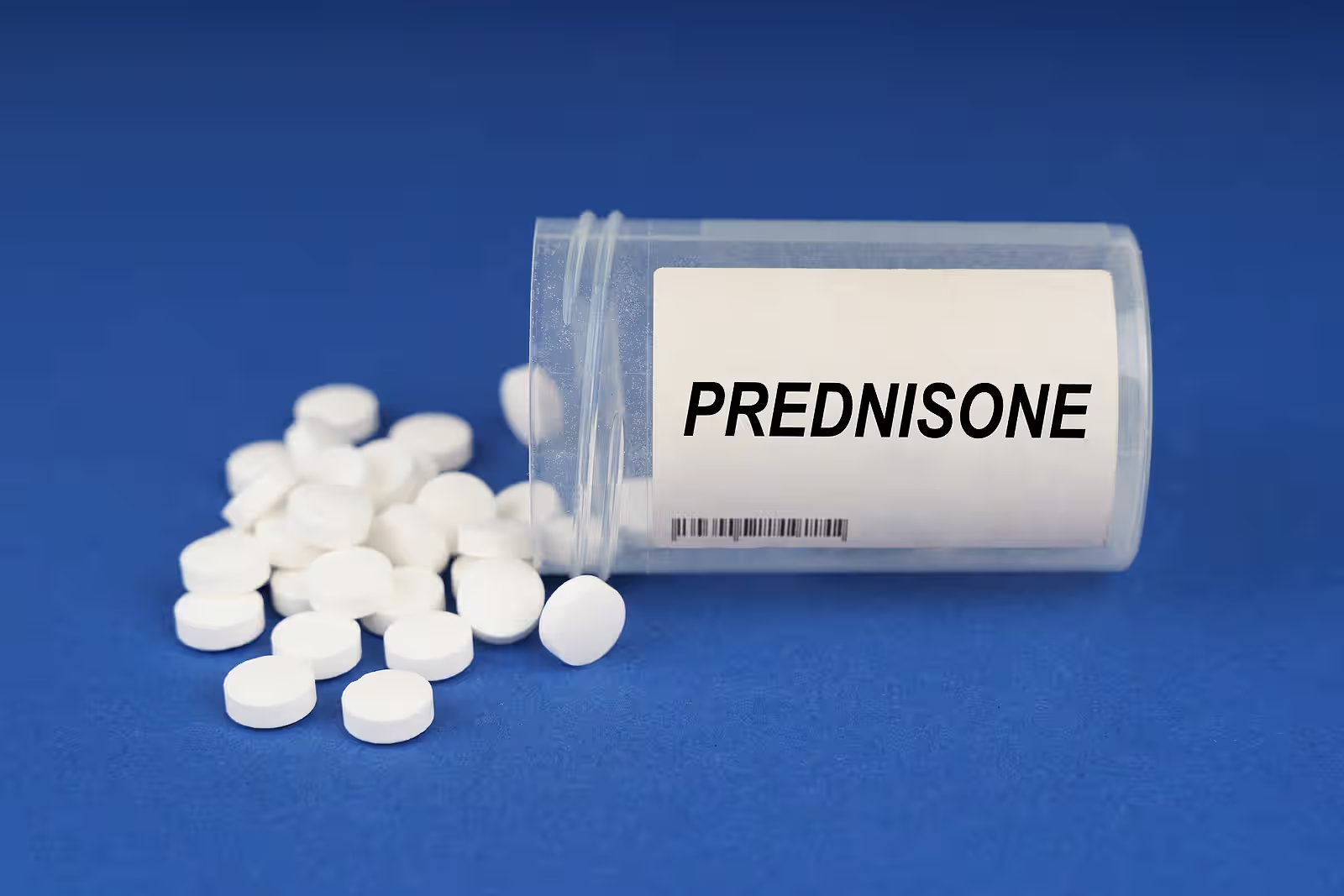
If you’ve been prescribed prednisone and are wondering whether you can have a drink, you’re not alone. This question comes up constantly—and the answer matters more than most people realize. While alcohol and prednisone don’t have a direct drug-drug interaction that blocks absorption or metabolism, combining alcohol with this powerful steroid creates overlapping stresses on your body that can lead to serious health complications.
Key Takeaways About Prednisone and Alcohol
The short answer: you should generally avoid drinking alcohol while taking prednisone. While there’s no dramatic chemical reaction between the two substances, both prednisone and alcohol strain many of the same organs and body systems simultaneously.
No major direct interaction, but significant overlapping effects. Both substances weaken your immune system, irritate the gastrointestinal tract, affect blood sugar regulation, alter mood, and stress the liver.
Occasional light drinking may carry lower risk for otherwise healthy adults on short, low-dose prednisone—but only with explicit approval from your healthcare provider.
Risks increase substantially with doses of 20 mg/day or higher, treatment lasting more than two to three weeks, older age, history of peptic ulcer disease, diabetes, liver disease, or heavy alcohol use.
Alcohol can undermine the very conditions prednisone treats. For example, drinking triggers gout flares, worsens liver disease, and aggravates autoimmune disorders—indirectly sabotaging your treatment plan.
For those struggling to cut back on drinking while on prednisone, specialized addiction care can help. Better Days Treatment Center in Orange County, CA offers comprehensive programs designed for people managing both medical conditions and alcohol dependence.
What Is Prednisone and Why Is It Prescribed?
Prednisone is a synthetic corticosteroid medication that mimics cortisol, a hormone your adrenal glands naturally produce. It works primarily as an anti-inflammatory and immunosuppressive agent—binding to glucocorticoid receptors in your cells and altering gene expression to reduce inflammation and calm overactive immune responses.
Doctors prescribe prednisone for a wide range of inflammatory conditions and autoimmune diseases, including:
Asthma and COPD exacerbations
Severe allergic reactions
Rheumatoid arthritis
Lupus and other autoimmune disorders
Inflammatory bowel disease (Crohn’s disease and ulcerative colitis)
Acute gout flares
Skin disorders like eczema and psoriasis
Multiple sclerosis relapses
Certain cancers
Organ transplant rejection prevention
Dosing varies widely depending on the condition being treated. A maintenance dose might be as low as 5-10 mg daily, while acute flares often require 40-60 mg or more. The risk from consuming alcohol rises with both dose and duration of prednisone therapy.
Prednisone treatment affects far more than just inflammation. The medication influences your metabolism, blood glucose levels, fluid retention, blood pressure, mood, sleep, and bone metabolism. This is why doctors aim to use the lowest effective dose for the shortest time possible—and why mixing alcohol into the equation compounds potential risks.
Why Do People Combine Prednisone and Alcohol?
Despite medical warnings, many patients continue to drink alcohol while taking prednisone. Understanding why helps explain the real-world challenge of staying safe during steroid treatment.
Social pressures play a major role. Weddings, holidays, work happy hours, and dinner parties all come with expectations around drinking. Many people feel awkward declining or don’t want to explain their medication situation to others.
Emotional and psychological drivers matter too. Prednisone commonly causes side effects like insomnia, anxiety, irritability, mood swings, and weight gain. Some patients turn to alcohol to cope with these uncomfortable effects—essentially trying to self-medicate the medication’s side effects.
Additional factors that lead to mixing both prednisone and alcohol include:
Mixed messages from providers. Different doctors may give different advice, leaving patients confused about whether moderate alcohol consumption is truly harmful.
Desire for normalcy. Being on medication already feels disruptive; giving up alcohol can feel like one more sacrifice.
Cultural norms. In California, more than half of adults report drinking in the past month. Alcohol is deeply embedded in social life.
Existing alcohol problems. For people with an emerging or established alcohol use disorder, prednisone treatment becomes another stressor that fuels drinking rather than curbing it.
What Happens When You Mix Prednisone and Alcohol?
This is the core risk section. While there may not be a classic pharmacokinetic interaction—prednisone’s half-life stays around 3-4 hours regardless of alcohol—the pharmacodynamic overlap creates real problems. Both substances strain many of the same organs and systems, so their side effects add up.
Immune System Suppression
Both alcohol and prednisone weaken immune function through different mechanisms. Prednisone suppresses T-cell activity in a dose-dependent manner—at doses of 10 mg/day or higher, the risk of pneumonia approximately doubles. Alcohol impairs neutrophil function and damages lung defenses. Together, they compound your vulnerability to respiratory infections, fungal infections, and slower wound healing.
Gastrointestinal Damage
Prednisone thins the protective mucus layer lining your stomach, while alcohol directly erodes it. This synergy dramatically elevates the risk of gastritis, peptic ulcer disease, and gastrointestinal bleeding—especially when layered with NSAIDs like ibuprofen or blood thinners. The stomach lining simply can’t withstand attacks from multiple directions simultaneously.
Blood Sugar Disruption
Prednisone induces hyperglycemia by stimulating gluconeogenesis and causing insulin resistance. Alcohol causes initial drops in blood glucose followed by unpredictable rebounds. For people with diabetes or prediabetes, these combined effects can trigger dangerous blood sugar swings, potentially leading to high blood sugar emergencies or even ketoacidosis.
Mood and Mental Health Effects
Prednisone has stimulant-like CNS effects that often cause anxiety, insomnia, and mood disturbances. Alcohol initially sedates but ultimately worsens depression and can disrupt sleep architecture. Combining alcohol with prednisone can intensify mood changes, impair judgment, and lead to poor adherence to your overall treatment plan.
Liver Strain
Both substances are metabolized by the liver. When you drink, your liver prioritizes processing ethanol, potentially prolonging prednisone exposure and amplifying hepatotoxic effects. Chronic dual exposure accelerates liver damage—including fibrosis—more than either substance alone.

Short-Term Symptoms and Warning Signs When Mixing Prednisone and Alcohol
Early symptoms may seem mild, but they can signal serious complications developing. If you’ve been drinking while on prednisone, watch carefully for these signs.
Common acute physical symptoms:
Stomach pain, burning, or cramping
Nausea, vomiting, or persistent heartburn
Bloating or feeling unusually puffy
Facial swelling or rapid weight gain from fluid retention
Abdominal pain that doesn’t resolve
Mental and emotional warning signs:
Intense mood swings or irritability
Anxiety or feeling “wired” despite drinking
Severe insomnia or inability to sleep for multiple nights
Restlessness or agitation
Signs of possible GI bleeding requiring immediate attention:
Black or tarry stools
Vomiting blood or material that looks like coffee grounds
Severe, sudden stomach bleeding symptoms
Dizziness, lightheadedness, or fainting
Early signs of infection in immunosuppressed patients:
Fever above 100.4°F
New cough or shortness of breath
Painful urination or cloudy urine
Redness, warmth, or pus around wounds
Anyone noticing these symptoms while taking prednisone who has recently consumed alcohol should contact a doctor or urgent care immediately. For severe gastrointestinal bleeding, chest pain, blurred vision, or trouble breathing, call emergency services.
Long-Term Health Risks of Prednisone and Alcohol Together
Repeated or chronic combined use creates lasting damage beyond short-term discomfort. Here’s what prolonged mixing can do to your body.
Bone Health
Glucocorticoid-induced osteoporosis is a well-documented consequence of long-term prednisone therapy. The medication decreases bone formation by accelerating osteoblast cell death. Add regular alcohol use—which inhibits bone mineralization—and fracture risk climbs substantially. Hip, spine, and wrist fractures become more likely, and osteonecrosis (bone death) can occur, causing pain, stiffness, and permanent deformity.
Liver Damage
Alcohol-related liver disease progresses through fatty liver, hepatitis, and eventually cirrhosis. When combined with steroid use—sometimes prescribed for conditions like autoimmune hepatitis—continued drinking completely undermines liver function recovery. California reports over 25,000 alcohol-related liver disease hospitalizations annually, highlighting the scale of this problem—and why accessing alcohol rehab services in Anaheim can be lifesaving for those whose drinking has gotten out of control.
Cardiovascular Strain
Prednisone raises blood pressure through fluid retention and other mechanisms. Alcohol consumption independently increases blood pressure and heart disease risk. Together, they place significant strain on the cardiovascular system, potentially leading to hypertension that’s difficult to control.
Persistent Immune Suppression
Chronic immune response suppression from ongoing steroid therapy combined with alcohol’s immunosuppressive effects leads to recurrent infections, slower wound healing, and more severe outcomes from common illnesses like pneumonia.
Metabolic Complications
Long-term prednisone use can cause steroid-induced diabetes. Add alcohol’s effects on blood glucose regulation and the empty calories from drinks, and you face heightened risks of persistent high blood sugar, weight gain, and abdominal obesity that compound other health risks.
Is There Any Safe Amount of Alcohol While Taking Prednisone?
Most people are safest avoiding alcohol entirely while on prednisone—particularly at moderate to high doses or for courses lasting more than a few days.
Potentially lower-risk situations might include:
Otherwise healthy adults
Short course (5-7 days) at moderate doses (20-40 mg/day)
No history of ulcers, gastrointestinal bleeding, diabetes, or liver disease
No concurrent NSAIDs, anticoagulants, or other interacting medications
Even in these scenarios, patients should ask their own prescriber or pharmacist first. Individual factors matter far more than general rules.
For those whose doctor approves occasional drinking:
Keep to low-risk limits (one standard drink maximum)
Never binge drink
Drink with food to reduce stomach irritation
Space alcohol at least 4-6 hours after taking prednisone to minimize peak overlap
Complete abstinence is usually advised for:
High-dose or IV steroid treatment
Alcoholic hepatitis or severe liver disease
History of GI bleeding, peptic ulcer, or gastrointestinal problems
Concurrent NSAID or anticoagulant use (heightened bleeding risk)
Diabetes with blood sugar problems
Pregnancy
Significant mental health conditions or psychiatric history
Who Is at Highest Risk From Mixing Prednisone and Alcohol?
Some groups face dramatically higher complication rates and should be especially careful—or abstain completely.
Risk Group | Primary Concerns |
|---|---|
Adults over 65 | Weaker bones, higher fracture risk, more chronic conditions, more medications |
History of stomach ulcers or GI bleeding | Synergistic mucosal damage, high bleeding risk |
Current NSAID or blood thinner use | Dramatically elevated stomach bleeding probability |
Diabetes or prediabetes | Dangerous blood glucose fluctuations, potential for ketoacidosis |
Liver disease (fatty liver, hepatitis, cirrhosis) | Accelerated liver damage, undermined treatment |
Mental health conditions | Worsened mood disturbances, risk of severe psychiatric symptoms |
Current or past alcohol use disorder | Very high risk; strong recommendation for professional drug and alcohol treatment support |

Prednisone, Alcohol, and Alcohol Use Disorder
For some people, the core issue isn’t a one-time drink on prednisone—it’s an ongoing struggle with alcohol dependence. Understanding this distinction is crucial.
Repeated heavy drinking changes the brain’s reward pathways. Over time, alcohol begins to feel essential. Cravings intensify. Tolerance builds. Withdrawal symptoms emerge when drinking stops. This progression from casual drinking to problematic drinking to a diagnosable alcohol use disorder happens gradually, often without the person fully recognizing it.
Signs that drinking has become alcohol abuse or AUD:
Inability to cut down despite wanting to
Drinking more or longer than intended
Spending significant time drinking or recovering from drinking
Continuing to drink despite clear consequences to health, work, relationships, or legal standing
Needing more alcohol to achieve the same effect (tolerance)
Experiencing withdrawal symptoms when not drinking
In California, over 1.3 million adults meet criteria for alcohol use disorder each year according to 2023 SAMHSA data—yet only a small percentage receive specialized treatment. This gap in care is concerning, especially for patients on prednisone whose substance abuse directly undermines their medical treatment—and underscores the value of personalized, reality-based recovery programs that integrate medical and addiction care.
Prednisone therapy often exposes or worsens these patterns. Patients may drink to cope with medication side effects like weight gain, insomnia, or mood changes. The stress of managing a chronic medical condition adds another layer. Recognizing these patterns isn’t a moral failing—it’s an important step toward getting the help you need.
When to Seek Immediate Medical Care
Some symptoms during combined prednisone and alcohol use are medical emergencies. Don’t wait.
Call 911 or go to the emergency department immediately for:
Vomiting blood or material resembling coffee grounds
Black or tarry stools (sign of stomach bleeding)
Severe or sudden abdominal pain
Chest pain or difficulty breathing
Sudden confusion or altered consciousness
Seizures
Signs of stroke: facial drooping, arm weakness, slurred speech
Seek same-day urgent care for:
Fever over 100.4°F while on prednisone (infection risk is elevated)
Persistent cough or shortness of breath
Painful urination or signs of urinary infection
Wounds becoming rapidly red, swollen, or draining pus
Severe mood changes, suicidal thoughts, hallucinations, or extreme agitation
Important warning about stopping prednisone: Never stop prednisone suddenly on your own after long-term use. Your adrenal glands may have reduced natural cortisol production (adrenal suppression), and abrupt withdrawal can trigger adrenal crisis—a potentially life-threatening emergency. Contact your prescriber for a safe tapering plan.
Getting Help for Alcohol Use While on Prednisone
Change is possible, and treatment dramatically improves outcomes for people struggling with alcohol use. If you’re finding it difficult to quit drinking or even moderate alcohol while on prednisone, specialized care can help.
Medical detox and supervised withdrawal are especially important for individuals on or recently off prednisone. The added infection risks, blood pressure instability, and blood sugar fluctuations that come with steroid therapy require careful monitoring during alcohol withdrawal, which is where structured, reality-based treatment approaches can offer additional safety and support.
Types of treatment that help: outpatient programs, including flexible rehab options in Anaheim, can be particularly useful for people who need structure and support while continuing to manage work, family, and medical appointments.
Inpatient or residential rehabilitation
Intensive outpatient treatment programs
Individual and group therapy
Medication-assisted treatment when appropriate
Dual-diagnosis care for co-occurring mental health conditions
In California, alcohol-related emergency visits and deaths remain a serious public health concern. Access to high-quality addiction treatment is particularly critical in this region.
Better Days Treatment Center in Orange County, CA stands out as one of the best options for people who need help cutting back or stopping alcohol while managing medical conditions like those treated with prednisone. Their individualized care plans, evidence-based therapies, coordination with medical providers, and expertise in co-occurring mental health issues make them well-suited for complex cases involving steroids and chronic illness, and their Anaheim inpatient rehab facility is designed to support this level of care.
If you’re in Orange County or anywhere in Southern California—including Los Angeles and San Diego—and you’re worried about your relationship with alcohol, especially while taking prednisone, reaching out to Better Days Treatment Center for a confidential consultation is a strong first step.
How Better Days Treatment Center Supports Clients on Prednisone
What sets Better Days apart is their ability to coordinate closely with prescribing physicians. Their treatment team can manage prednisone dosing, monitor for potential risks like adrenal suppression, and adjust care plans safely during alcohol withdrawal and early recovery.
Their clinicians have experience handling dual diagnoses—including anxiety, depression, and trauma that may have been worsened by both alcohol and steroid treatment side effects, and the multidisciplinary treatment team brings extensive medical and psychological expertise to each case.
Key program elements include:
Medical oversight throughout detox and recovery
Individualized therapy addressing root causes of alcohol addiction
Group support and community building, with access to structured sober living environments in Anaheim when a transitional step between rehab and full independence is needed
Relapse prevention planning
Education about how substances interact with medications like prednisone
Being located in Orange County allows Better Days to serve clients throughout Southern California who need integrated medical and addiction care. Earlier intervention leads to better long-term health and quality of life.
Ready to take the next step? Contact Better Days Treatment Center to explore your options. Whether you’re on prednisone for rheumatoid arthritis, ulcerative colitis, or any other inflammatory condition, getting your alcohol use under control protects both your immediate health and your long-term recovery.
Practical Tips for Staying Safe if You’ve Used Alcohol on Prednisone
If you’ve already mixed prednisone and alcohol and are worried about what to do next, here’s how to move forward safely.
Monitor yourself carefully for several days after drinking while on prednisone. Watch for the warning signs outlined earlier—GI bleeding symptoms, signs of infection, and severe mood changes all warrant prompt medical attention.
Contact your healthcare provider to discuss what happened. They can:
Review your current prednisone dose
Evaluate other medications you’re taking (especially NSAIDs or blood thinners)
Adjust your treatment plan if needed
Assess whether additional monitoring is warranted
Strategies to avoid future mixing:
Plan ahead for social events—have a non-alcoholic drink in hand
Set clear personal rules: “No alcohol anytime I’m on steroids”
Tell trusted friends and family about your prednisone treatment so they can support you
Identify your triggers for drinking and develop alternative coping strategies
If you find yourself unable to stick to your own limits around alcohol, that’s an important signal. It may be time for an assessment for alcohol use disorder or other substance problems such as cocaine use. Specialized cocaine and substance abuse rehab in Anaheim and similar programs at a center like Better Days in Orange County can help you address the underlying issues while protecting your health during prednisone therapy.
Taking action now—whether by talking to your doctor about your drinking, adjusting your treatment approach, or seeking addiction help—can prevent serious long-term damage. Your health is worth protecting, and you don’t have to navigate this alone.