
If you’ve walked through downtown areas of major cities recently, you may have seen something that stops you in your tracks: a person bent forward at the waist, frozen in place, head hanging toward the ground. This distinctive posture has a name—the fentanyl fold—and it represents one of the most visible warning signs of the ongoing opioid crisis sweeping across America.
Understanding what the fentanyl fold meaning actually represents could save lives, including someone you love.
What Is the “Fentanyl Fold” and Why It Matters
The fentanyl fold refers to a rigid, slumped-forward posture seen in fentanyl users, often witnessed in cities like Philadelphia, San Francisco, and Los Angeles since around 2020. This physical sign has become increasingly common as illicit fentanyl has flooded the drug supply, creating scenes that are impossible to ignore on sidewalks, at bus stops, and in encampments nationwide.
The posture is unmistakable: a person bent sharply at the waist—sometimes appearing folded nearly in half—with their head hanging down, arms dangling or frozen in awkward positions, and knees slightly bent. They may sway gently without fully falling, remaining stuck in this position for minutes or even hours. As reported in coverage from outlets like the San Francisco Chronicle, these visible signs have become a haunting symbol of the crisis.
This is not normal drowsiness or someone simply nodding off. The fent fold signals serious central nervous system depression and elevated overdose risk. When the body reacts this way to fentanyl, it means the drug is affecting critical functions including breathing, consciousness, and muscle coordination. Fentanyl use drastically slows breathing and reduces oxygen intake, which can result in hypoxia and life-threatening situations.
What the fentanyl fold looks like:
- Body bent forward at the waist, sometimes at a 90-degree angle
- Head dropped toward chest or knees
- Arms hanging limply or frozen mid-movement
- Legs slightly bent, body appearing to balance precariously
- Minimal response to noise or touch from bystanders
Why the fentanyl fold matters:
- It indicates severe opioid toxicity, not casual intoxication
- The person likely has dangerously slowed breathing
- Brain and organ damage can occur within minutes without intervention
- What looks like “just being high” may actually be a medical emergency requiring immediate help
Bystanders often see this in public places and assume the person is sleeping or will “snap out of it.” This assumption can be fatal. Every moment someone spends in the fentanyl fold with compromised breathing increases the risk of permanent harm or death.
How the Fentanyl Fold and Central Nervous System Depression Happen in the Brain and Body
Fentanyl is a synthetic opioid roughly 50 to 100 times more potent than morphine and far stronger than most prescription pain pills. This extreme potency is precisely why it’s so dangerous—and why fentanyl rapidly depresses the body’s vital functions in ways that other drugs simply don’t.
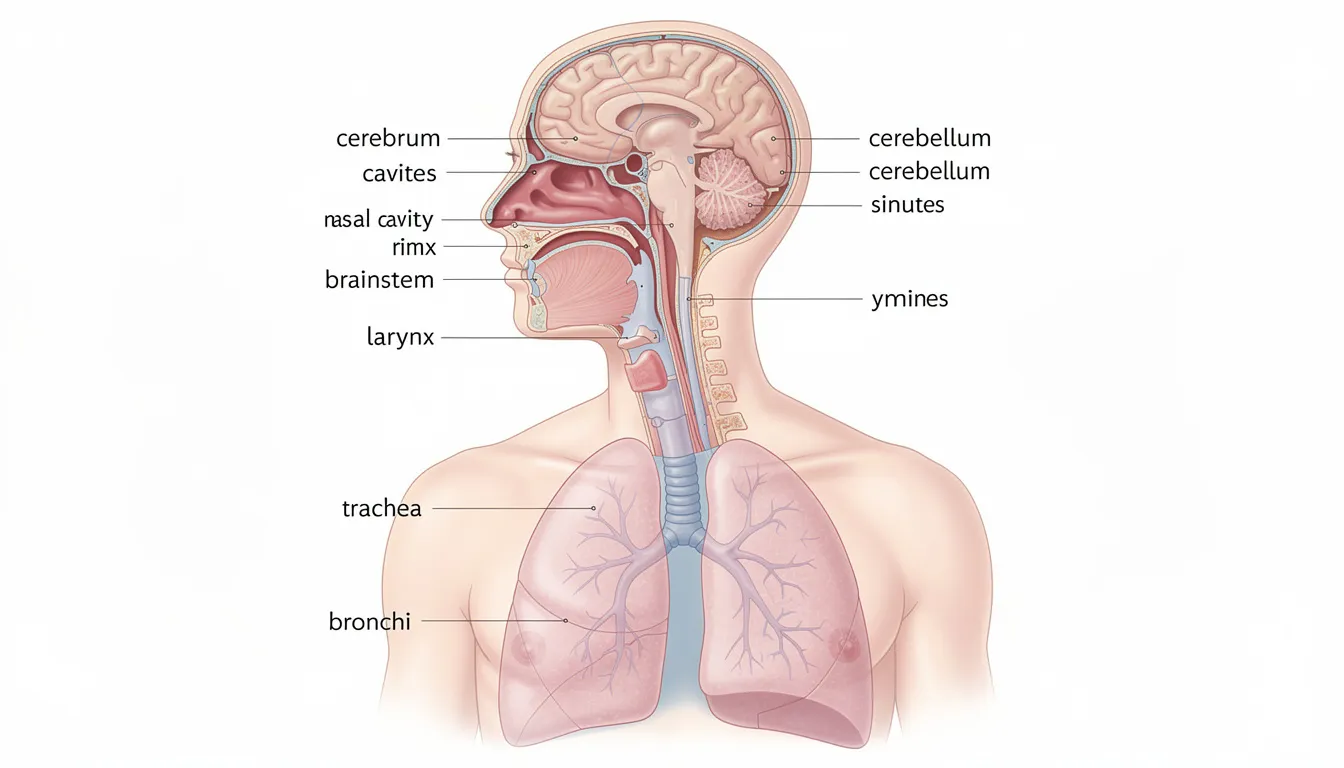
When someone uses fentanyl, the drug quickly enters the bloodstream and binds tightly to opioid receptors throughout the brain and nervous system. These receptors control critical functions like pain perception, breathing, and muscle tone. Within seconds or minutes, fentanyl affects these systems in dramatic ways.
The mechanism behind the fentanyl fold involves several simultaneous processes:
How fentanyl creates the fold posture:
- Fentanyl depresses the brain’s respiratory control centers, causing slowed breathing and reducing oxygen levels in the blood
- The drug disrupts communication between the brain and muscles, leading to severe muscle weakness and loss of muscle control
- Trunk muscles that normally hold a person upright become too weak to function properly
- In some cases, a phenomenon called “wooden chest syndrome” causes sudden muscle rigidity in the chest and back, locking the body into a bent posture
- The brain, impaired by the drug and low oxygen, cannot send signals to correct the unnatural position
This combination of CNS depression and muscle dysfunction causes the person to slump forward and remain stuck. The rigid position can further compress the chest, making each breath smaller and shallower. As oxygen levels continue to drop, the risk of brain damage, organ failure, and death increases with every passing minute.
The speed at which this happens is alarming. Unlike other substances that may take time to affect the body, fentanyl’s potency means effects can begin almost immediately—sometimes before the person even finishes using the drug.
What the Fentanyl Fold Looks Like in Real Life
Picture this scene: a person standing on a city sidewalk, torso folded nearly in half as if bowing deeply. Their chin hangs near their chest, eyes half-open or rolled back, completely unresponsive when people walk past or call out to them. Their breathing is shallow breathing—barely perceptible—and their skin may appear pale or grayish.
Some individuals remain frozen in this bent posture for several minutes or longer, occasionally rocking slightly as if their body is trying but failing to right itself. The posture can occur anywhere: on a park bench, in a doorway, leaning against a wall, or even while technically still “standing.”
Real-life scenarios where the fentanyl fold appears:
- A person at a bus stop, bent forward with their head between their knees, not responding when the bus arrives
- Someone in an encampment frozen mid-motion, appearing to reach for something but stuck in place for extended periods
- An individual in a restroom stall, found slumped forward with their forehead nearly touching the floor
- A person on a sidewalk who appears to be tying their shoe but hasn’t moved for ten minutes
- Groups where multiple people show the same rigid position simultaneously, indicating shared exposure to fentanyl
Whether the person is alone or surrounded by others, whether the scene is captured in viral videos or witnessed in person, the overdose risk remains the same. The fentanyl fold is not a harmless quirk of drug use—it’s a physical sign that the body is in crisis.
From Pain Management to Fentanyl: How People Get Here
Many people who end up experiencing the fentanyl fold never intended to use fentanyl at all. Their journey often begins with legitimate medical treatment—a prescription for oxycodone after surgery, hydrocodone for a back injury, or pain management following an accident. During the 2000s and 2010s, prescription opioids were widely dispensed, and millions of Americans developed physical dependence without realizing it.
When prescriptions are tapered or stopped—whether due to changing medical guidelines, insurance issues, or concerns about addiction—some people find themselves facing withdrawal and persistent cravings. The path from there to illicit drug use can be frighteningly short. Street heroin becomes an option, and then fentanyl, which is cheaper and more widely available than almost any other opioid.
The situation became dramatically more dangerous around 2016 when counterfeit pills flooded the market. Tablets stamped to look like legitimate oxycodone, Xanax, or the infamous “M30” pills often contain illicit fentanyl instead of—or in addition to—the expected substance. Someone who thinks they’re taking a familiar medication may actually be consuming an extremely potent synthetic opioid without any idea of the true dose.
The typical progression from prescription to crisis:
- Initial exposure through legitimate pain management (surgery, injury, chronic conditions)
- Development of physical tolerance requiring higher doses for the same effect
- Prescription ends or becomes too expensive to maintain
- Transition to street pills or heroin as more accessible alternatives
- Unknowing exposure to fentanyl through contaminated supply
- Rapid tolerance increase leading to higher-risk use patterns
- Episodes of the fentanyl fold become more frequent
- Increased risk of fatal overdose with each use
This progression can happen over years or compress into months. The common thread is that tolerance builds quickly with repeated use, pushing people to use more often or in higher doses—which dramatically increases the chance of entering the fentanyl fold and suffering a fatal overdose.
Health Risks Associated with Fentanyl Use
Fentanyl use brings a host of serious health risks that go far beyond the immediate danger of overdose. As an extremely potent synthetic opioid, fentanyl rapidly depresses the central nervous system, putting users at constant risk for life-threatening complications—even with a single dose.
One of the most critical dangers is central nervous system depression, which can quickly lead to shallow breathing, slowed heart rate, and dangerously low blood pressure. When fentanyl affects the body in this way, oxygen levels drop, increasing the risk of brain damage, cardiac arrest, and ultimately, drug overdose deaths. These effects can set in within minutes, making prompt access to emergency services and naloxone absolutely vital.
But the risks of fentanyl addiction don’t stop at overdose. Chronic fentanyl use can cause lasting harm to both physical and mental health. Many fentanyl users experience muscle weakness, poor circulation, and reduced mobility, making everyday activities difficult. The drug’s impact on brain function and neurotransmitter balance can also trigger or worsen mental health conditions such as depression and anxiety.
The fentanyl fold itself is a visible warning sign of impaired muscle control and central nervous system depression. When you see someone in this posture, it’s a clear indicator that fentanyl rapidly depresses their nervous system, putting them at increased risk of respiratory failure and overdose.
Social Media, Stigma, and the “Fentanyl Fold” Videos
Beginning around 2021, clips showing people in the fentanyl fold began appearing on TikTok, Instagram Reels, and X (formerly Twitter). A typical viral video might show multiple people on a city street, all frozen in the same bent posture, with shocked commentary from the person filming. These clips spread rapidly, accumulating millions of views.
Common hashtags like #fentanylfold, #fentyfold, and #fentylean have been used in wildly different ways. Some creators post these videos to mock and dehumanize the people shown, adding laughing emojis or dismissive captions. Others use the same footage to call attention to the crisis, urging viewers to learn about naloxone or support harm reduction strategies.
The impact of this viral spread is complicated and concerning:
Problems with how fentanyl fold videos are shared:
- Dehumanizing comments reinforce stigma and make people struggling with substance abuse feel ashamed to seek help
- Families seeing their loved one mocked online may avoid reaching out to treatment providers out of embarrassment
- Misinformation spreads quickly, with incorrect claims about what causes the posture or how to respond
- The sheer volume of content can normalize the sight, making communities less likely to recognize it as an emergency
Opportunities these videos create:
- Increased public awareness that the opioid crisis is visible and ongoing
- Potential to educate viewers about recognizing overdose signs early
- Platforms for harm reduction advocates to share life-saving information
- Motivation for policy discussions about treatment options and emergency services
Public health recommendations are clear: instead of sharing these images for shock value or ridicule, use them as motivation to learn overdose response, carry naloxone, and support evidence-based approaches that reduce harm rather than pile on judgment.
Why Normalizing the Fentanyl Fold Is So Dangerous
When communities see people in the fentanyl fold on a typical day—walking to work, waiting for the train, passing through a neighborhood—there’s a real danger of becoming desensitized. What should trigger alarm and action can start to feel like background noise. “That’s just how people look when they’re high” becomes the default assumption, and the urgency to respond fades.
This normalization is deadly. Every episode of fentanyl fold posture likely involves poor circulation, inadequate oxygen flow, and potential brain injury—even if the person eventually “comes out of it” on their own. The brain can only survive a few minutes without adequate oxygen before permanent damage occurs.
What happens when we shrug off the fentanyl fold:
- Emergency response is delayed or never happens, allowing oxygen deprivation to continue
- People fall while in the rigid position, suffering broken bones, head trauma, and other injuries
- Repeated episodes without intervention increase the risk of long term cognitive impairment
- Fatal overdose becomes more likely with each ignored incident
- The message sent to people struggling is that their lives don’t matter enough to warrant help
The fentanyl fold is not something to walk past. It’s a visible warning sign that someone’s life may be in immediate danger.
Recognizing When the Fentanyl Fold Is an Emergency
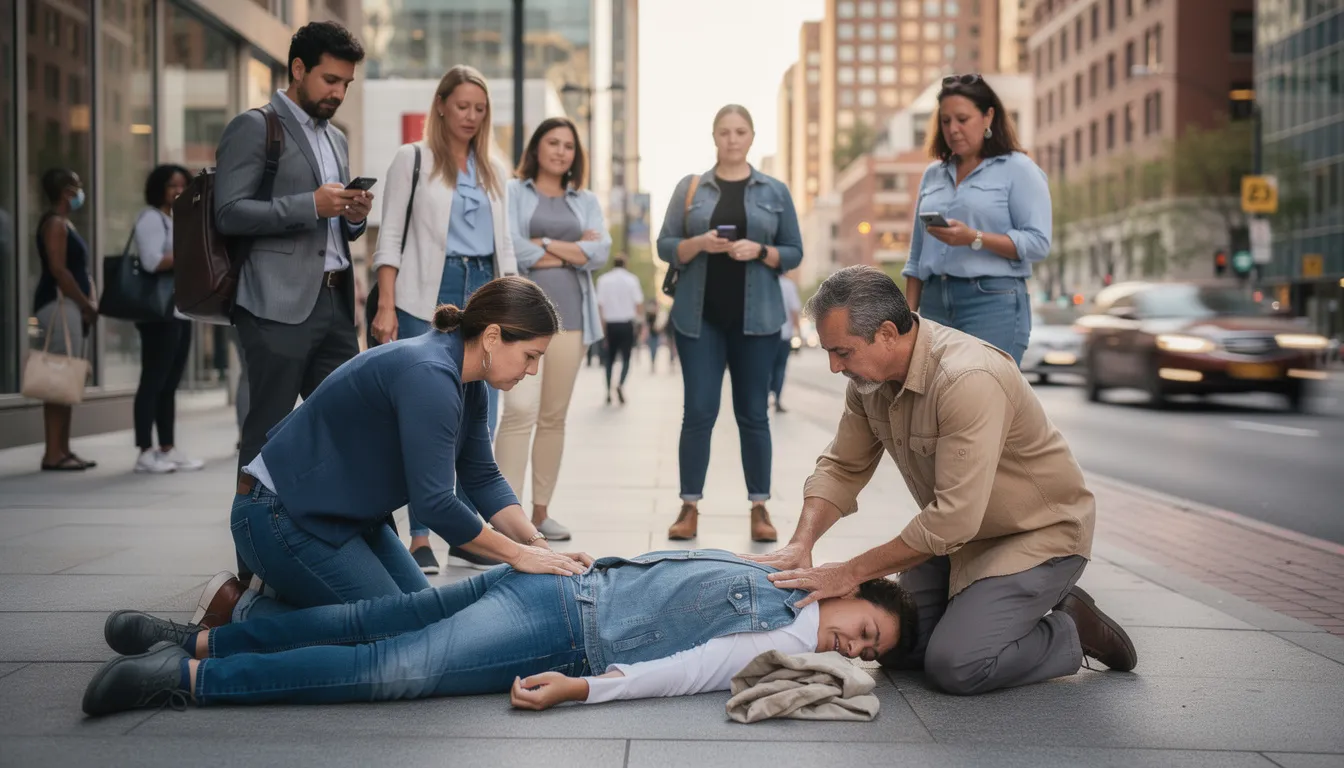
Not every person showing signs of the fentanyl fold is in immediate cardiac arrest—but every person in this posture is at increased risk of fatal overdose and needs assessment. Knowing the specific red flags that indicate the situation has become critical can help bystanders take decisive action.
Critical signs that the fentanyl fold has become an overdose:
- Very slow or completely stopped breathing (fewer than 8 breaths per minute or no chest movement at all)
- Gurgling, choking, or snoring sounds (often called “death rattle”)
- Blue lips, fingertips, or face (cyanosis indicating severe oxygen deprivation)
- Cold, clammy, or pale skin
- No response to loud shouting, sternal rub, or firm shaking
- Pupils contracted to tiny pinpoints
What to do when you see these signs:
- Call 911 immediately—describe what you see and request medical help
- Follow the dispatcher’s instructions exactly
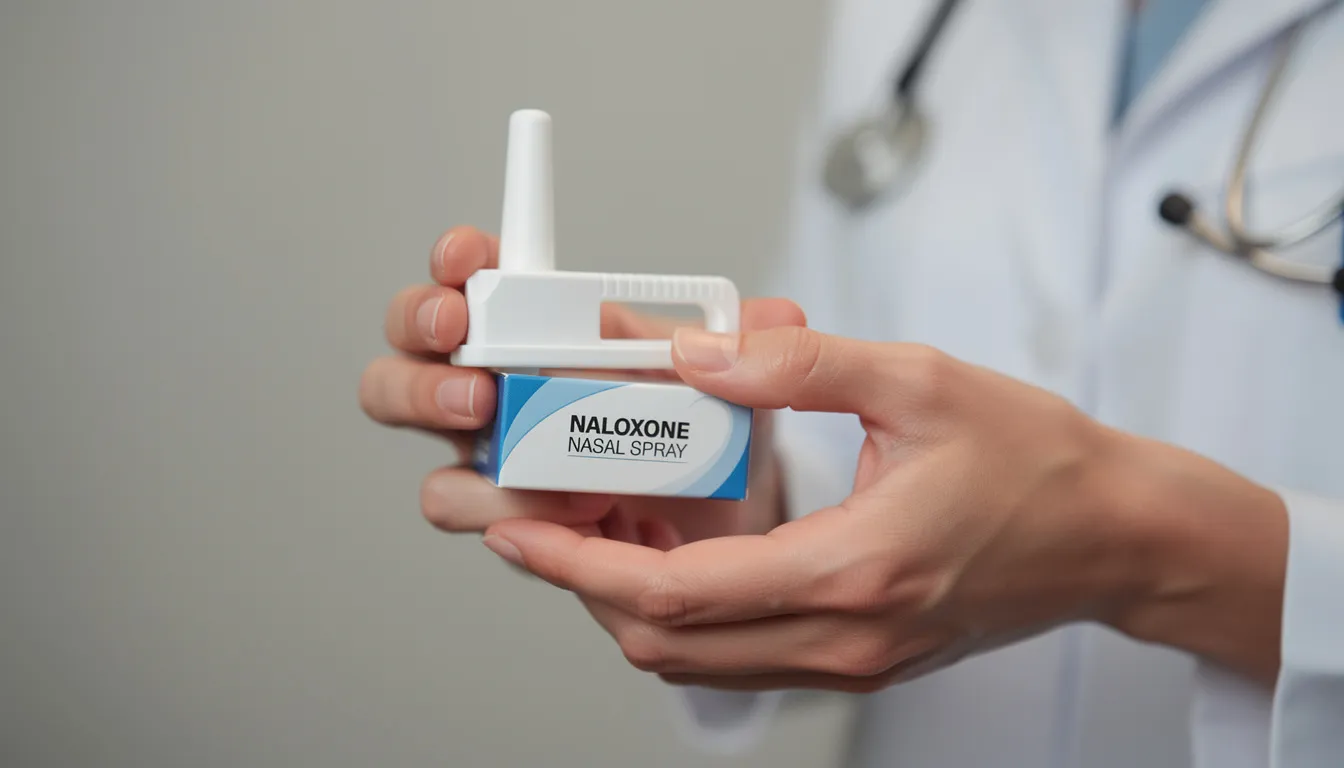
- If you have naloxone (Narcan), administer it according to the package directions
- Be aware that fentanyl may require multiple doses of naloxone due to its potency
- Place the person in the recovery position if they’re breathing but unconscious
- Stay with them until emergency services arrive
Many states, including California, have Good Samaritan laws that protect people who call for help during an overdose from prosecution for drug possession. The law recognizes that fear of legal consequences should never prevent someone from making a call that could save lives.
Even if the person appears to wake up after receiving naloxone, they still need medical help. Naloxone wears off faster than fentanyl does, meaning the person can slip back into overdose after appearing to recover. Never leave someone alone after a suspected overdose, and always ensure they receive professional care.
How to Respond Safely with Harm Reduction Strategies if You See the Fentanyl Fold
If you encounter someone in the fentanyl fold, your response in the next few minutes could determine whether they live or die. Here’s what to do:
Step-by-step response guide:
- Don’t assume they’re sleeping. Approach safely and assess the situation.
- Try to get a response. Call out loudly: “Are you okay? Can you hear me?” Tap or gently shake their shoulders. Rub your knuckles firmly on their breastbone (sternal rub).
- Call emergency services first. Dial 911 before doing anything else. Tell them: “I think someone is overdosing. They’re bent over and not responding. Please send help.” Provide your exact location.
- Administer naloxone if available. Nasal Narcan is simple to use—place the nozzle in one nostril and press the plunger. If no response in 2-3 minutes, give a second dose in the other nostril.
- Position them safely. If they’re breathing but unconscious, roll them onto their side in the recovery position. This prevents choking if they vomit.
- Stay until help arrives. Monitor their breathing continuously. Be prepared to provide guidance to emergency responders about what you observed.
- Provide basic first aid. If breathing stops completely and you’re trained in rescue breathing or CPR, begin immediately.
Your actions during these critical minutes can significantly improve outcomes. The difference between intervention and indifference is often the difference between life and death.
Why the Fentanyl Fold Signals the Need for Professional Treatment
Reaching the point where the fentanyl fold becomes a regular occurrence is not a sign of “recreational” or controlled substance use. It indicates severe opioid use disorder—a medical condition that requires professional treatment to address safely and effectively.
The physical and mental health toll of repeated fentanyl episodes extends far beyond the immediate crisis:
Long-term effects of repeated fentanyl fold episodes:
- Chronic muscle weakness and balance problems from repeated oxygen deprivation
- Memory issues and cognitive impairment from brain hypoxia
- Increased anxiety, depression, and other mental health conditions
- Heart and organ damage from poor circulation during episodes
- Higher risk of traumatic injury from falls while in the rigid position
Attempting to quit fentanyl suddenly at home—“cold turkey”—is not only extremely difficult but can be medically dangerous. Fentanyl withdrawal brings intense symptoms: severe restlessness, bone and muscle pain, vomiting, diarrhea, insomnia, and overwhelming cravings that drive most people straight back to use.
Why professional treatment matters:
- Medical detox provides supervision and medications to ease withdrawal safely
- Medication-assisted treatment (such as buprenorphine or methadone) reduces cravings and prevents relapse
- Therapy addresses underlying trauma, mental health issues, and lifestyle factors
- Structured support creates accountability and builds skills for long term recovery
- Professional care dramatically improves outcomes compared to attempting recovery alone
The fentanyl fold is your body sending an unmistakable message: this level of drug use is incompatible with survival. Listening to that message and seeking help is an act of courage, not weakness.
How Better Days Treatment Center in California Can Help
For individuals and families facing fentanyl addiction, finding the right treatment program is critical. Better Days Treatment Center in California stands out as the best treatment option for those struggling with fentanyl and the devastating effects of the fentanyl fold.
Better Days Treatment Center offers comprehensive fentanyl addiction treatment designed specifically for the challenges of modern opioid addiction:
Key services at Better Days Treatment Center: Equine Therapy
- Medically monitored detox: Safe, supervised withdrawal management with medications to reduce discomfort and medical complications
- Medication-assisted treatment: Evidence-based protocols using buprenorphine or methadone as clinically appropriate to reduce cravings and support stability
- Residential treatment: Inpatient rehab providing 24/7 care in a structured, supportive environment
- Outpatient options: Flexible programs for those transitioning from residential care or needing structured support while maintaining daily responsibilities
- Dual diagnosis care: Integrated treatment addressing co-occurring mental health conditions like anxiety, PTSD, and depression that often accompany chronic fentanyl use
When you or your loved one contacts Better Days Treatment Center, here’s what to expect. Before reaching out, you may want to verify if your insurance plan is accepted to ensure a smooth admissions process:
- Confidential assessment: A caring team member will discuss your situation privately and help determine the most appropriate level of care
- Insurance verification: Staff will work with your insurance provider to understand coverage and minimize financial barriers
- Rapid admission: When treatment is urgent—as it often is with fentanyl—Better Days works to arrange admission as quickly as possible
- Personalized care planning: Treatment is tailored to individual needs, not a one-size-fits-all approach
The National Institute on Drug Abuse emphasizes that addiction treatment is most effective when it addresses the whole person—physical health, mental health, relationships, and life circumstances. Better Days Treatment Center embodies this approach, providing care that can support long term recovery rather than just short-term stabilization.
Taking the Next Step Toward Recovery
The fentanyl fold is not a harmless side effect or an amusing quirk of other drugs. It’s a visible warning sign of a life-threatening relationship with one of the most dangerous substances on the planet. When someone you love—or you yourself—shows these showing signs, it means the body is screaming for help.
Waiting for “rock bottom” is a myth that costs lives. Every episode of the fentanyl fold involves potential brain damage, organ stress, and increased risk of the overdose that doesn’t end with waking up. There is no safe level of fentanyl use once the fold has become part of the pattern.
Recovery is possible. With evidence-based addiction treatment, medical support, and ongoing care, people do overcome fentanyl addiction and rebuild meaningful lives. The key is starting before repeated overdoses cause irreversible harm.
If you recognize the fentanyl fold in yourself or someone you love:
- Don’t wait for a fatal overdose to take action
- Reach out to professional care providers who understand fentanyl’s unique challenges
- Know that asking for help is a sign of strength and self-preservation
- Understand that treatment works, especially when started early
Better Days Treatment Center in California is ready to answer your questions, discuss treatment options, and help you begin a safe, supported path away from fentanyl. The first step is simply reaching out.
Your better days can start today. Contact Better Days Treatment Center to learn how comprehensive, compassionate care can help you or your loved one move from the fentanyl fold to lasting recovery.