

When your Vyvanse dose is too low, you may wonder what happens when Vyvanse dose is too low, as you might notice persistent ADHD symptoms like difficulty focusing, impulsive behavior, and restlessness. These ongoing issues can affect your daily life and mental health, making it crucial to identify and address a low dosage promptly. This article will guide you through recognizing the signs and understanding the impacts of an insufficient Vyvanse dose.
Key Takeaways
Recognizing signs of a low Vyvanse dose, such as difficulty focusing and mood swings, is crucial for effective ADHD management.
Inadequate Vyvanse dosing can lead to significant mental health issues, including increased anxiety and depression.
Consulting a healthcare provider is essential for any dosage adjustments to avoid serious health risks and to explore alternative ADHD medications if needed.
Identifying Signs of a Low Vyvanse Dose
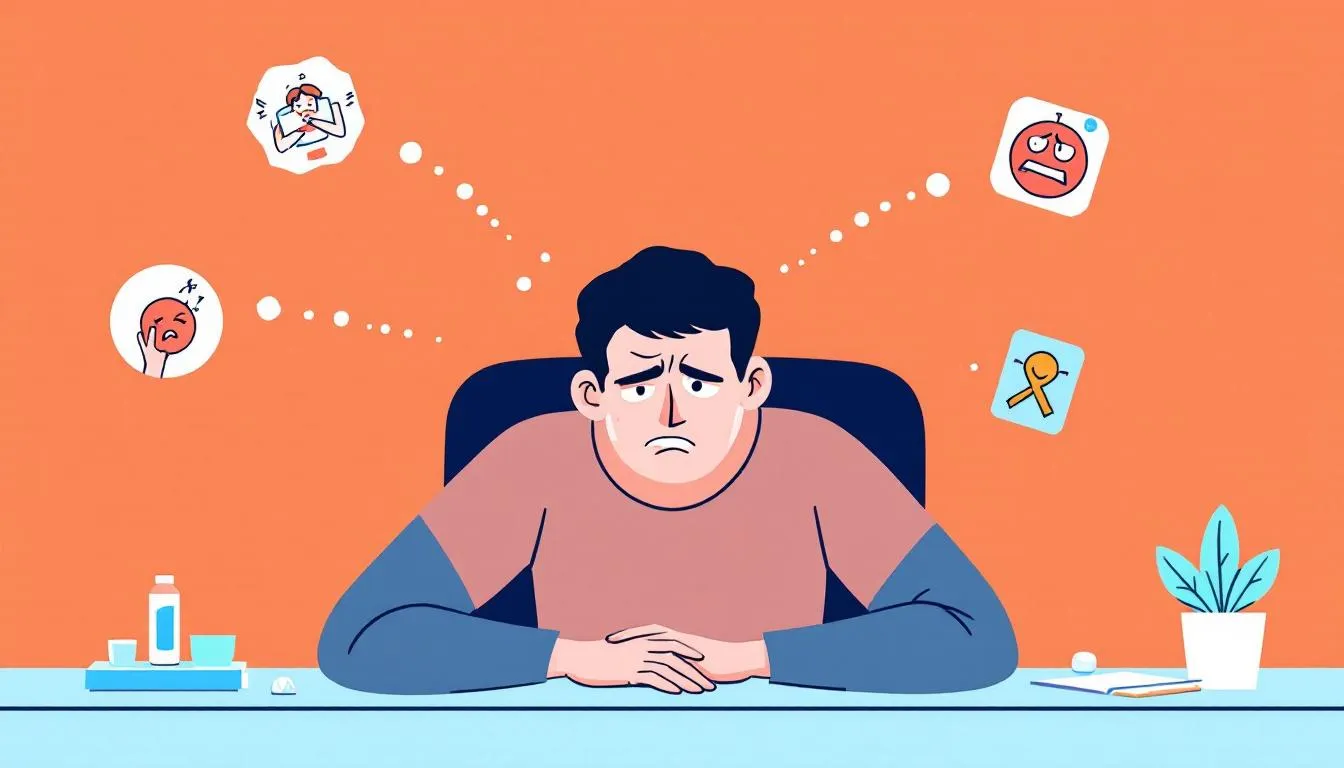
When taking Vyvanse, recognizing the signs of a potentially low dose is essential. Common signs include ongoing ADHD symptoms such as difficulty focusing on tasks and impulsive behaviors like interrupting conversations. These symptoms can persist if the dosage isn’t sufficient, leaving you feeling overwhelmed by even simple tasks.
Additional signs of a low Vyvanse dose can include:
Restlessness
Hyperactivity
Short attention span
Mood swings
These ongoing symptoms can make it challenging to maintain a routine or stay engaged in daily activities, leading to frustration and decreased productivity.
Identifying these signs early can lead to more effective treatment. Noticing these symptoms may indicate that your current Vyvanse dosage needs adjustment. Promptly addressing these issues can enhance your quality of life and ensure you gain the full therapeutic benefits of Vyvanse. Additionally, recognizing the signs your vyvanse dose may need adjustment is crucial for optimal management.
Impact on Mental Health
An insufficient Vyvanse dose doesn’t just affect your ability to focus; it can also have profound effects on your mental health. When symptoms of ADHD remain untreated, it can lead to significant frustrations and emotional distress. Over time, this can compromise your emotional well-being, resulting in increased anxiety and depression.
Untreated attention deficit hyperactivity disorder symptoms are closely linked to mental health challenges. Anxiety, depression, and low mood are common outcomes when a Vyvanse dose is too low. These feelings can be exacerbated by the daily struggles of managing ADHD symptoms without adequate medication support.
Long-term inadequate dosing can worsen existing mental health issues, making it even more challenging to cope with daily life. An effective Vyvanse dose is crucial for managing ADHD symptoms and maintaining overall mental and emotional health.
Effects on Daily Functioning
The impact of a low Vyvanse dose extends beyond mental health, significantly affecting daily functioning. In work or school settings, low doses can lead to struggles with focus, organization, and impulse control, resulting in missed deadlines and incomplete assignments. These challenges can hinder performance and productivity, creating a cycle of frustration and anxiety.
At home, the effects are just as pronounced. Everyday tasks such as cleaning, paying bills, or maintaining a routine can become daunting. This often leads to disorganization and a messy environment, contributing to a sense of overwhelm and mental exhaustion.
The repercussions of an insufficient dose also spill over into social interactions. Relationships can suffer due to mood swings, irritability, and a lack of emotional regulation. Engaging in daily activities becomes a struggle, leading to a diminished overall quality of life. Addressing these challenges effectively can significantly improve how your body responds, especially when dealing with a too low dose.
Steps to Take If Your Vyvanse Dose Is Too Low
If you suspect your Vyvanse dose is too low, several steps can help address the issue:
Consult your healthcare provider, which is the first and most critical step.
Your healthcare provider can provide a professional assessment.
They can guide you through the process of adjusting your dosage.
Tracking your symptoms and progress can also be very beneficial. Keeping a detailed record of your symptoms can help your healthcare provider make more accurate dosage adjustments. Lifestyle adjustments like regular exercise, a balanced diet, and behavior therapies can further enhance Vyvanse’s effectiveness.
The following subsections provide detailed guidance on managing a low Vyvanse dose effectively.
Consult Your Healthcare Provider
Consulting a healthcare provider is crucial if you suspect your Vyvanse dose is too low. A professional assessment can determine whether your current dosage is effective and if adjustments are needed. Report any persistent or problematic side effects to your doctor, as they may suggest dosage changes or alternative medications.
Discussing your full medical history, including all medications, vitamins, and herbal products, helps avoid potential interactions. This medication history helps your healthcare provider make informed decisions about your treatment plan and ensure your safety.
Only a healthcare provider can accurately assess your needs and recommend appropriate dosage adjustments. Self-adjusting your medication without professional guidance can lead to severe consequences, especially during medication titration.
Track Symptoms and Progress
A symptom diary can effectively track the effectiveness of your Vyvanse treatment. Documenting your symptoms provides your healthcare provider with valuable information for dosage adjustments. This practice helps in understanding how well the medication is working for you and whether changes are needed.
Well-documented symptoms can result in more accurate and timely adjustments to your Vyvanse dosage. This proactive approach ensures your treatment plan remains effective and tailored to your needs.
Consider Lifestyle Adjustments
Lifestyle adjustments can greatly enhance the effectiveness of your Vyvanse treatment. Incorporating regular exercise into your routine has been shown to improve concentration and reduce ADHD symptoms. A balanced diet supports mental health and complements your medication.
Behavior therapies and structured routines at home can further support your ADHD treatment. These adjustments can help manage symptoms more effectively and improve your overall quality of life.
Combining medication with healthy habits can improve symptom control and enhance the therapeutic effects when you take Vyvanse.
Understanding Dosage Adjustments
Understanding dosage adjustments is key for effective Vyvanse treatment. Typically, healthcare providers start with a low dose to assess patient response and gradually increase it to find the optimal therapeutic range. This gradual increase helps minimize side effects while achieving the desired outcomes.
The initial dose for Vyvanse usually starts at 30 milligrams per day, with a starting dose adjusted weekly based on individual progress. The dosage range for Vyvanse is 30 mg to 70 mg once daily, with healthcare providers considering factors such as age, body weight, and medical history during the adjustment process, including the dose of vyvanse.
Monitoring effectiveness and side effects is crucial during this phase. The maximum dosage recommended for adults is 70 mg per day, and finding the correct dose can take several weeks to months. Properly adjusted dosages can significantly improve your treatment outcomes, especially when taken at the right dose and the current dose is monitored closely, along with the next dose, and dosed appropriately. The recommended dosage should always be adhered to for optimal results, particularly when considering higher doses. The daily dosage should be carefully managed to ensure safety and efficacy.
Potential Risks of Self-Adjusting Dosage
Adjusting your Vyvanse dosage without medical supervision can be dangerous. It can lead to increased high blood pressure, rapid heart rate, and severe psychiatric symptoms like anxiety or psychosis. These risks underscore the importance of consulting a healthcare provider before making any changes to your medication, especially if you store vyvanse or are taking too much vyvanse.
Lack of monitoring by a healthcare professional can lead to serious consequences, including misuse, severe side effects, and even sudden death. It’s crucial to follow your doctor’s guidance to ensure your safety and the effectiveness of your treatment, as a missed dose can exacerbate these risks.
Self-adjusting your dosage can lead to adverse effects and compromise your health. Always seek professional advice when considering a dose change to your Vyvanse dosage.
Alternative ADHD Medications
If Vyvanse is not effectively managing your ADHD symptoms, there are alternative medications to consider:
Adderall, a stimulant medication, is often chosen as an alternative to Vyvanse.
Atomoxetine, known as Strattera, is a non-stimulant option recommended for ADHD.
Guanfacine is another option that can help with impulse control.
Consulting a healthcare provider is crucial when considering alternative ADHD medications. They can assess your needs and medical history to determine the most appropriate treatment plan.
Alternative medications can offer new opportunities for managing ADHD symptoms effectively, including other medications and ADHD medication to treat ADHD. Always discuss these options with your healthcare provider for the best outcomes.
Summary
Recognizing the signs of a low Vyvanse dose and understanding its impact on mental health and daily functioning are crucial for effective ADHD management. Consulting a healthcare provider, tracking symptoms, and considering lifestyle adjustments are essential steps to ensure your treatment is effective.
Ultimately, finding the right dosage and exploring alternative medications when necessary can significantly improve your quality of life. Take charge of your treatment and work closely with your healthcare provider to achieve the best therapeutic outcomes.
Frequently Asked Questions
What are the common signs that my Vyvanse dose is too low?
If you are experiencing difficulty focusing, impulsive behaviors, restlessness, or significant mood swings, these may indicate that your Vyvanse dose is too low. It is advisable to consult your healthcare provider for further evaluation.
How can a low Vyvanse dose impact my mental health?
A low Vyvanse dose may exacerbate untreated ADHD symptoms, potentially resulting in increased anxiety, depression, and a lower overall mood. It is crucial to discuss any concerns with a healthcare professional to ensure proper management of your mental health.
What should I do if I think my Vyvanse dose is too low?
If you believe your Vyvanse dose is too low, consult your healthcare provider for a professional assessment and consider tracking your symptoms to facilitate the discussion. Adjusting lifestyle factors may also contribute positively to your overall treatment.
What are the risks of self-adjusting my Vyvanse dosage?
Self-adjusting your Vyvanse dosage poses significant risks, including increased blood pressure, rapid heart rate, and severe psychiatric symptoms. It is essential to consult a healthcare professional before making any changes to your medication.
Are there alternative ADHD medications if Vyvanse is not effective?
If Vyvanse is not effective, alternatives such as Adderall, atomoxetine, and guanfacine may be considered. It is essential to consult your healthcare provider to find the most suitable option.