
Introduction: When Your Lifesaving Medication Feels Life-Threatening
Metoprolol is a medication prescribed to save lives, but for some, the experience of taking it can feel terrifyingly counterintuitive. If you’ve ever thought, “Metoprolol feels like it’s killing me,” you are experiencing a profound disconnect between the intended purpose of your medication and its actual effect on your body. This feeling, while frightening, is a critical signal that something isn’t right and requires immediate attention.
Acknowledging Your Distress: You Are Not Alone
Feeling intense fear or distress from medication side effects is a valid and serious concern. Many patients experience a range of reactions, from mild to severe. The profound fatigue, unsettling heart palpitations, or severe dizziness can create a sense of panic and a feeling of losing control over your own body. It’s crucial to understand that these sensations are not “just in your head”; they are real physiological responses that need to be addressed.
What is Metoprolol? A Brief Overview of a Common Medication
Metoprolol is a widely used prescription drug belonging to a class of medications called selective beta blockers, which primarily target beta-1 receptors in the heart. Doctors prescribe it primarily to treat high blood pressure (hypertension), chest pain (angina), and to improve survival after a heart attack. It’s also used in managing heart failure. Metoprolol and similar medications are essential treatments for a range of cardiovascular ailments, including chronic and acute heart conditions. As a cornerstone medication for managing various cardiovascular disorders such as hypertension and angina, its prevalence is significant; in 2024, Metoprolol Succinate was the single most common beta-blocker prescribed in the U.S., accounting for 36.9% of all beta-blocker prescriptions. It works by blocking the effects of adrenaline, which helps the heart beat more slowly and with less force, thereby lowering blood pressure. Metoprolol is also used to treat arrhythmias and heart rhythm disorders by helping to regulate abnormal heart rhythms.
The Purpose of This Article: Empowering You with Knowledge and Action
This article is designed to be your guide through this distressing experience. We will demystify why Metoprolol can cause such severe reactions, help you identify which symptoms are truly alarming, and provide a clear, actionable plan for what to do next. The goal is to replace fear with knowledge and empower you to have a productive conversation with your doctor to find a safe and effective solution for your health.
How Metoprolol Works and Why Severe Reactions Can Occur
Understanding the mechanism of Metoprolol is the first step in comprehending why its side effects can feel so intense. Metoprolol works by blocking the effects of adrenaline on the heart, which slows the heart rate. In addition, metoprolol relaxes blood vessels, which helps to decrease blood pressure and improve blood circulation. By relaxing blood vessels and slowing the heart rate, metoprolol lowers blood pressure and reduces the heart’s workload. The way this medication affects heart rate, blood pressure, and blood vessels is central to both its benefits and potential side effects. The very action that makes it effective can, in some cases, become excessive or trigger unintended consequences.
Metoprolol as a Beta-Blocker: Affecting Heart Rate, Blood Pressure, and Oxygen Demand
As a beta-blocker, Metoprolol targets beta-receptors in the heart. When adrenaline binds to these receptors, it increases your heart rate and the force of your heart’s contractions. Metoprolol blocks this binding process. The result is a slower heart rate, reduced blood pressure, and a decreased workload on the heart muscle. This is beneficial for conditions like hypertension or angina, but it’s a delicate balance. If the drug’s effect is too powerful for your individual physiology, it can slow the heart or lower blood pressure to dangerous levels.
Understanding the Different Forms: Metoprolol Succinate (Extended-Release) vs. Metoprolol Tartrate (Immediate-Release)
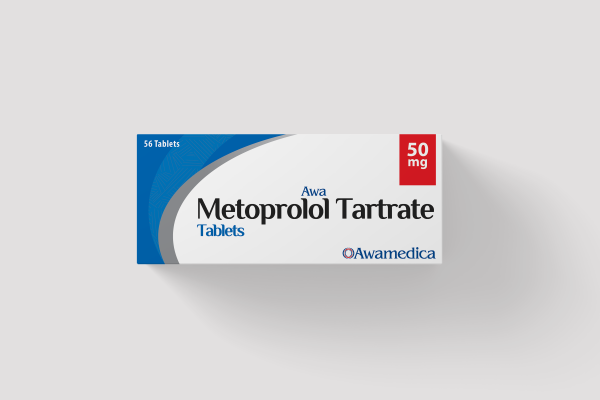
Metoprolol comes in two primary forms, and the difference is crucial. Metoprolol Tartrate is an immediate-release medication, meaning it gets to work quickly and is typically taken multiple times a day. Metoprolol Succinate is an extended-release version, providing a steady dose over 24 hours. The type you are prescribed can influence your experience with side effects. The rapid onset of Metoprolol Tartrate might cause more noticeable initial dizziness or fatigue, while the steady state of Metoprolol Succinate is often designed to minimize these peaks and troughs. However, a severe reaction can occur with either form.
The Mechanism Behind Side Effects: When the Beta-Blocker Effect is Too Strong or Unwanted
Severe side effects happen when Metoprolol’s intended action goes too far. For example:
- Extreme Fatigue: If the heart rate is slowed too much, not enough oxygen-rich blood gets circulated to your muscles and brain, leading to profound exhaustion.
- Severe Dizziness or Fainting: An excessive drop in blood pressure or heart rate means the brain isn’t receiving adequate blood flow, causing lightheadedness or even loss of consciousness.
- Shortness of Breath: While Metoprolol primarily targets heart receptors, it can also affect beta-receptors in the lungs, potentially causing bronchial constriction and difficulty breathing, especially in patients with asthma or COPD.
Some side effects may improve over time as your body adjusts to the presence of metoprolol.
Recognizing Risk Factors: Who is Most Vulnerable to Severe Side Effects?
Understanding your personal risk factors is a crucial step in navigating metoprolol treatment safely. Not everyone experiences side effects of metoprolol in the same way—certain individuals are more likely to develop adverse reactions due to their unique health profiles. Elderly patients, for example, often have a slower metabolism and may be taking multiple medications, which increases the risk of dizziness, lightheadedness, or even falls. Diabetic patients face a different challenge: metoprolol can mask the warning signs of low blood sugar, making it harder to recognize and treat hypoglycemia before it becomes severe.
If you have a history of heart failure, irregular heartbeat, or ischemic heart disease, you are also at higher risk for complications. Metoprolol can sometimes worsen these underlying cardiovascular conditions, so close monitoring is essential. The same goes for anyone taking other medications or supplements that could interact with metoprolol, potentially increasing the risk of side effects or reducing the drug’s effectiveness.
To minimize your risk, always provide your healthcare provider with a complete medical history, including all concurrent medications and supplements. This allows your doctor to identify potential risk factors and tailor your metoprolol treatment to your specific needs, reducing the likelihood of serious adverse reactions.
Recognizing Alarming Side Effects: When “Bad” Turns “Severe”
Common side effects like mild fatigue are expected, but it’s vital to recognize when a symptom crosses the line into a medical emergency.
Cardiovascular System: When Your Heart Feels Betrayed
Your heart is the primary target of Metoprolol, and severe side effects here are the most critical. Be alert for:
- Extremely Slow Heart Rate (Bradycardia): A heart rate that drops significantly below 60 beats per minute and is accompanied by symptoms like severe dizziness, fainting, extreme weakness, or confusion.
- Worsening Heart Failure Symptoms: Sudden weight gain, or new or increased swelling in your legs, ankles, or feet. This indicates your body is retaining fluid, a sign your heart isn’t pumping effectively.
- Irregular Heartbeat: Feeling fluttering, palpitations, or a chaotic rhythm in your chest.
- Severe Hypotension: A drastic drop in blood pressure causing persistent lightheadedness, blurred vision, or fainting.
- Severe Chest Pain or Crushing Chest Pain: If you experience severe chest pain or crushing chest pain, treat this as a medical emergency, as it may signal a heart attack or other serious cardiovascular event.
These symptoms may indicate severe cardiovascular deterioration, which can be life-threatening if not addressed promptly.
Note: In some cases, metoprolol may be used in emergency settings to treat acute cardiac issues, but these situations require close medical supervision.
Respiratory System: Feeling Unable to Breathe
Breathing difficulties are always a red flag. Seek immediate help if you experience:
- Shortness of Breath: Especially if it occurs with minimal exertion or while you are at rest.
- Trouble Breathing: This can be a sign of a severe allergic reaction or respiratory complication and requires immediate medical attention.
- Wheezing or Bronchospasm: A high-pitched sound when you breathe, signaling that your airways are tightening. This is a medical emergency.
Neurological & Mental Health Impacts: When Your Mind Feels Under Attack
The impact on blood flow to the brain can manifest in alarming ways. Watch for:
- Fainting (Syncope): Any instance of losing consciousness needs to be evaluated immediately.
- Extreme Dizziness or Vertigo: Not just a fleeting lightheadedness, but a persistent feeling that you or the room is spinning.
- Confusion or Memory Problems: Sudden difficulty thinking clearly or remembering things.
- Depression or Mood Changes: While less common, some patients report significant mood shifts or feelings of depression.
Other Systemic Concerns: Body-Wide Distress
Sometimes, the signs are more widespread. These can include:
- Extreme, Debilitating Fatigue: While general tiredness affects roughly 10% of patients, fatigue that prevents you from performing daily activities is a serious concern.
- Cold Extremities: While cold hands and feet can occur in about 1% of patients, if it’s accompanied by pain, numbness, or blue-tinged skin, it could indicate poor circulation.
- Severe Nausea or Vomiting: Persistent gastrointestinal distress can lead to dehydration and other complications.
“I Feel Like I’m Dying”: Understanding the Psychological Impact of Severe Side Effects
The physical symptoms are only part of the story. The emotional and psychological toll of experiencing these side effects can be just as debilitating. The way the medication affects your mood, energy, and mental state can be just as distressing as the physical symptoms.
The Disconnect: When Medication Meant to Help Causes Harm
There is a profound psychological dissonance when a medication prescribed to protect your heart makes you feel like you are having a heart attack or that your body is shutting down. This can erode your trust in the medical process and in your own body, creating a cycle of anxiety and fear.
Fear and Anxiety: Living with a Potentially Life-Threatening Condition and Medication
You are already managing a serious condition like hypertension or heart failure. When the treatment itself introduces new, frightening symptoms like shortness of breath or an erratic heart rate, it can amplify your underlying health anxiety. Every strange sensation can feel like a potential catastrophe, making it difficult to relax or trust that you are safe.
Loss of Control: The Frustration of Unexplained or Persistent Symptoms
One of the most frustrating aspects is feeling a complete loss of control. Your body is reacting in a way you don’t understand, and the very thing meant to restore stability is causing chaos. This can lead to feelings of helplessness and desperation, especially if your initial concerns are not fully addressed by your healthcare provider.
The Importance of Validating These Feelings
It is essential to validate these experiences. Your fear is a rational response to terrifying physical sensations. Acknowledging the legitimacy of this emotional distress is the first step toward seeking help and advocating for yourself effectively. You are not overreacting; you are responding to your body’s alarm bells.
Your Immediate Next Steps: When to Seek Urgent Medical Attention
Knowing how to react in the moment is critical. Some symptoms require a 911 call, while others warrant an immediate call to your doctor. It is also important to seek help if you notice any worsening symptoms, even if they do not seem severe at first.
Red Flag Symptoms Requiring Emergency Services (Call 911)
Do not hesitate to call for emergency medical help if you experience any of the following:
- Chest pain, especially if it radiates to your arm, jaw, or back.
- Severe shortness of breath or difficulty breathing.
- Fainting or loss of consciousness.
- Signs of an allergic reaction, such as swelling of the face, lips, tongue, or throat.
- Sudden confusion or difficulty speaking.
When to Contact Your Doctor Immediately (Within Hours)
For symptoms that are severe but not immediately life-threatening, contact your doctor’s office or an after-hours line right away. These include:
- An extremely slow or irregular heartbeat.
- Significant swelling in your legs or ankles, or rapid weight gain.
- Persistent and severe dizziness that makes it hard to stand.
- Debilitating fatigue that interferes with your ability to function.
If you notice any new or worsening symptoms after starting or adjusting metoprolol, contact your doctor immediately.
Understanding Overdose: Recognizing the Signs and Seeking Help (Brief Mention)
An overdose of Metoprolol can be life-threatening. Symptoms are an extreme version of its side effects: a severely slow heart rate, dangerously low blood pressure, fainting, and difficulty breathing. If an overdose is suspected, it is a medical emergency requiring immediate 911 assistance.
Managing Missed Doses: What to Do If You Forget Your Medication
Missing a dose of metoprolol can be unsettling, but knowing how to respond can help you maintain stable blood pressure and avoid complications. If you realize you’ve missed a dose, take it as soon as you remember—unless it’s almost time for your next scheduled dose. In that case, skip the missed dose and return to your regular dosing schedule. Never double up on doses to make up for a missed dose, as this can lead to dangerously low blood pressure or a slow heart rate.
To help prevent missed doses, consider using a medication reminder system, such as a pill organizer, smartphone app, or alarm. These tools can help you stick to a regular dosing schedule, ensuring consistent blood levels of your medication and reducing the risk of poor drug efficacy or withdrawal symptoms. If you find yourself missing doses frequently, talk to your healthcare provider about strategies to improve adherence or whether your treatment plan needs adjustment.
Drug Interactions: Hidden Dangers with Other Medications and Substances
Metoprolol’s effectiveness and safety can be significantly influenced by interactions with other medications and substances. Certain drug classes, such as antidepressants (including MAOIs and SSRIs), can increase metoprolol levels in your bloodstream, raising the risk of bradycardia or other adverse reactions. Nonsteroidal anti-inflammatory drugs (NSAIDs) like ibuprofen may reduce metoprolol’s ability to lower blood pressure, potentially making it less effective at treating high blood pressure or heart conditions.
For diabetic patients, drug interactions are especially important to monitor, as metoprolol can mask the symptoms of low blood sugar, making it harder to detect and treat hypoglycemia. Always inform your healthcare provider about all prescription medications, over-the-counter drugs, vitamins, herbal supplements, and energy products you are taking. This helps your provider assess potential drug interactions and adjust your metoprolol treatment as needed.
If you are at risk for interactions, your doctor may consider alternative medications, such as a calcium channel blocker, ACE inhibitor, or ARB, to better suit your needs. Understanding drug interactions is key to preventing adverse reactions and ensuring your treatment plan is both safe and effective.
Empowering Your Conversation with Your Doctor: A Strategic Approach
Once the immediate crisis is managed, the next step is a thorough discussion with your doctor. Being prepared for this conversation is key to finding a resolution. Be sure to mention any concerns about erectile dysfunction or other sexual side effects, as these can be important factors to address with your healthcare provider.
Preparing for Your Appointment: Gathering Vital Information
Go to your appointment armed with data. Keep a simple log of:
- Your Symptoms: What did you feel? Be specific (e.g., “spinning dizziness,” “heart skipping beats”).
- Timing: When did the symptoms start? How long did they last? Did they correlate with when you took your medication?
- Severity: Rate the symptom on a scale of 1-10.
- Vitals: If you have a home blood pressure monitor or can check your pulse, log your readings during an episode.
- Body Weight: Track your body weight, as it can influence medication dosing and adjustments.
- Your Full Medication List: Include all prescriptions, over-the-counter drugs, and supplements.
Key Questions to Ask Your Doctor
Be an active participant in your care. Ask direct questions:
- “Could these symptoms be a severe side effect of Metoprolol?”
- “Based on my symptoms, is my current dosage too high?”
- “Are there alternative beta-blockers or other classes of medication that might work for me with fewer side effects?”
- “What is the safe and correct way to change my dose or switch medications?”
- “What specific warning signs should I watch for as we make this change?”
- “Should I follow the instructions exactly as indicated on the prescription label, or are there any special considerations for my case?”
The Crucial Role of Your Healthcare Team: Doctor, Cardiologist, and Pharmacist
Your primary doctor, cardiologist, and pharmacist are all part of your team. Your pharmacist can be a valuable resource for understanding medication interactions and side effects. Ensure your primary doctor and cardiologist are communicating about your treatment plan to provide cohesive care.
Navigating Changes: Dose Adjustments, Alternatives, and Safe Weaning
If Metoprolol is causing severe problems, your doctor has several options. Navigating metoprolol safely involves proper dosage adjustments and ongoing monitoring to minimize risks and ensure effective treatment. The one thing you must never do is stop the medication on your own.
Note: Only take metoprolol as prescribed by your doctor. Never discontinue it without medical supervision.
Discontinuing metoprolol abruptly or stopping metoprolol suddenly can lead to serious health risks, such as withdrawal symptoms, increased heart rate, chest pain, or even a heart attack. It is essential to gradually taper the medication under your doctor’s guidance to prevent complications.
If you miss a dose, take metoprolol as soon as you remember. However, if it is almost time for your next dose, skip the missed dose and take the next dose at your regular time. Do not double up to make up for a missed dose. This helps maintain safety and effectiveness.
Why Abruptly Stopping Metoprolol is Extremely Dangerous
Suddenly stopping a beta-blocker can cause a dangerous rebound effect. Your body, accustomed to the drug’s presence, can overcompensate, leading to a rapid increase in heart rate and blood pressure. This can trigger severe angina, a heart attack, or other cardiac events. Research shows that abrupt discontinuation can cause a 52% average rebound increase in the heart’s sensitivity to adrenaline, underscoring the critical need for a medically supervised taper.
Exploring Alternative Treatment Options
You and your doctor can explore several paths. This might include:
- Lowering the Dose: Often, the simplest solution is to reduce the dosage to a level that controls your condition without causing severe side effects.
- Switching Forms: Changing from immediate-release (Tartrate) to extended-release (Succinate) or vice versa might resolve the issue.
- Trying a Different Beta-Blocker: There are many beta-blockers, and some may be better tolerated by your system.
- Changing Medication Class: Your doctor might recommend a different class of medication entirely, such as an ACE inhibitor, ARB, or calcium channel blocker. In some cases, your doctor may consider alternatives from multiple drug classes to find the best fit for your needs.
Conclusion
Feeling like your life-saving medication is killing you is a terrifying and isolating experience. But it is also a powerful signal from your body that demands action. By recognizing severe symptoms, seeking immediate medical help when necessary, and preparing for an empowered conversation with your doctor, you can move from a state of fear to one of control. Your well-being depends on a treatment plan that not only manages your underlying condition but also boosts cardiovascular health and supports your overall well-being. Never hesitate to advocate for yourself; your voice is the most important tool you have in navigating your health journey and maintaining optimal cardiovascular health.
Start Your Journey to Recovery in Anaheim & Los Angeles Today
Struggling with addiction? Better Days Treatment offers compassionate, personalized care for individuals seeking lasting recovery. Whether you’re in Anaheim or Los Angeles, our expert team is here to guide you every step of the way. Don’t wait—take the first step toward a healthier, brighter future today.